

This post contains affiliate links. As an Amazon Associate, we earn from qualifying purchases — at no extra cost to you. Read our disclosure.
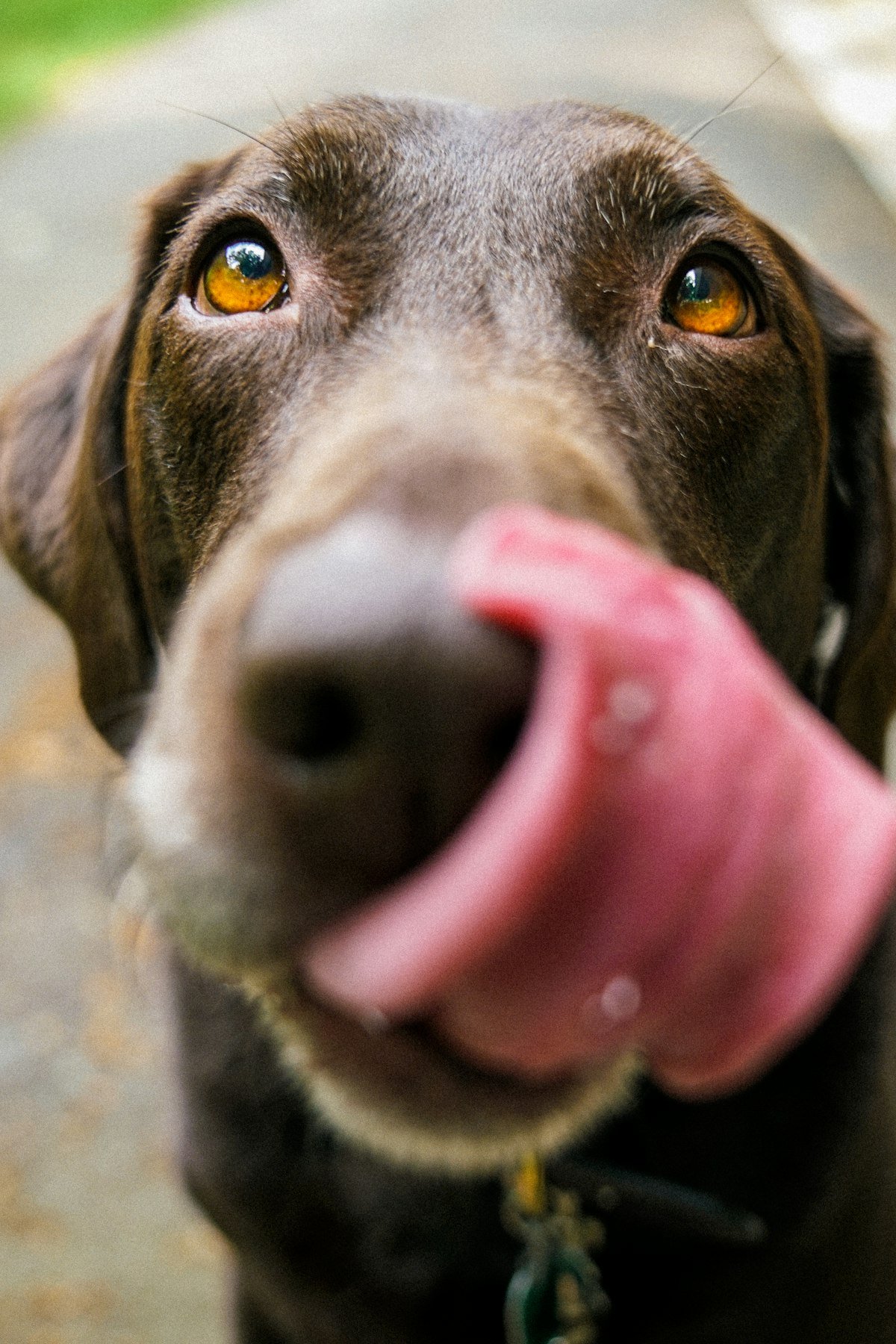
If your dog starts panting, pacing, trembling or squeezing behind the toilet the moment thunder rumbles, you’re not alone. Storm anxiety is one of the most common fears in dogs. Thunder is loud, but dogs may also react to flashes of lightning, wind, rain on the windows and even changes in air pressure before the storm arrives. The good news: with a few simple changes at home and some patient training, most dogs can become much calmer during storm season. Here are 9 tips that really help.
Know the Signs of Storm Anxiety
Some dogs show their fear clearly; others are more subtle. Common signs include panting when it isn’t hot, trembling, pacing, whining or barking, hiding, clinging to you, drooling, trying to escape, and chewing or scratching at doors. Many dogs start reacting before you hear any thunder, because they sense the wind, pressure change or distant rumbles first. Learning your dog’s early signs helps you step in sooner — it’s much easier to keep a dog calm than to calm a dog who is already panicking.
1. Create a Cozy, Den-Like Safe Space
Many scared dogs want to hide — so give them a good place to do it. Choose a quiet interior room, a closet or a corner away from windows. A crate works well for dogs who are already crate-trained: add a soft bed and drape a breathable blanket or crate cover over the top and sides to make it feel like a den. Leave the door open so your dog can come and go; a dog who feels trapped can panic more. If you’re just starting with crate training, our new puppy checklist covers the basics.
2. Block Out the Noise and the Flashes
Close windows and curtains or blinds to soften the sound of thunder and hide lightning flashes. Then add some “masking” sound: a fan, a white noise machine, calm music or the TV at a normal volume. Steady background noise makes sudden booms less startling. Put the sound source near your dog’s safe space and start it before the storm begins, so it feels like a normal part of the room rather than a sign that something scary is coming.
3. Try a Calming Compression Wrap
Some dogs relax when they wear a snug-fitting wrap or vest that applies gentle, even pressure around the chest — a bit like being swaddled. It doesn’t work for every dog, but many owners find it takes the edge off. The trick is to introduce it on calm days first, with treats and praise, so your dog doesn’t link the wrap only with storms. Make sure it’s snug but not tight, and never leave it on unsupervised for long periods.
4. Stay Calm Yourself — and Yes, Comfort Your Dog
You may have heard that comforting a scared dog “rewards the fear.” Fear is an emotion, not a trick, and gentle comfort won’t make it worse. If your dog comes to you, it’s fine to sit with them, speak softly and offer slow, steady petting. What matters most is your own mood: dogs read our body language closely. Move slowly, keep your voice relaxed and avoid frantic fussing. Never scold or punish a dog for being afraid — that only adds more stress.
5. Give Their Brain a Job
For mildly anxious dogs, a distraction can turn a stressful hour into a manageable one. A lick mat spread with a dog-safe food, a stuffed chew toy or a puzzle feeder gives your dog something calming to focus on — licking and chewing are naturally soothing for many dogs. You can also practice easy, well-known cues like “sit,” “touch” or “find it” with tasty treats. If your dog is too scared to eat, that’s a sign the fear is strong, and the other tips (and possibly your vet) will matter more.
6. Exercise Before the Storm Arrives
Check the weather forecast during storm season. If a storm is expected in the afternoon, give your dog a longer walk or a good play session in the morning. A dog who has burned off energy is usually more relaxed and more likely to rest. Take a potty break before the weather turns, too, so you don’t have to coax a frightened dog outside in the middle of the storm.
7. Train With Storm Sounds on Calm Days
This is the long-term fix, called desensitization and counter-conditioning. Play a recording of thunder at a very low volume — so quiet your dog barely notices — while you give treats, play or feed dinner. Over days and weeks, raise the volume a tiny bit at a time, always staying below the level that makes your dog nervous. If your dog reacts, go back a step. The goal is for thunder sounds to predict good things. It takes patience, and recordings can’t copy the pressure changes of a real storm, but many dogs improve noticeably. Starting in the off-season works best.
8. Keep Them Safe and Secure
Panicked dogs can bolt through doors, jump fences or even break through screens. Keep your dog indoors during storms, double-check that gates and doors are closed, and walk them on a secure harness and leash if you must go outside. Make sure your dog wears a collar with an up-to-date ID tag and that their microchip details are current — US shelters often see more lost dogs after big storms and Fourth of July fireworks.
9. Consider Calming Aids (and Set Realistic Expectations)
Pheromone diffusers, calming sprays and calming chews are popular, and some owners see a difference while others don’t. Think of them as helpers that may work alongside the steps above, not as a cure. Always read the label, choose products made for dogs, and check with your vet before giving any supplement — especially if your dog is on medication, is pregnant, or has a health condition.
When to See a Vet
Talk to your veterinarian if your dog’s fear is getting worse each season, if they hurt themselves trying to escape, destroy doors or crates, refuse food for long periods, or can’t settle for hours after a storm ends. Sudden new fear of noises in an older dog can also be linked to pain or other health changes. Your vet can rule out medical causes and discuss options, including prescription anti-anxiety medication when it’s appropriate, or refer you to a veterinary behaviorist. Never give your dog human calming medications or supplements without your vet’s guidance.
Final Thoughts
Storm anxiety is real fear, not bad behavior. Give your dog a cozy hiding spot, mask the noise, stay calm, keep them busy and safe, and work on gentle sound training between storms. Small steps add up — and with patience, many dogs go from hiding under the bed to snoozing through the next thunderstorm. If the fear is severe, your vet is your best partner.
Related: How to Trim Your Dog’s Nails at Home Safely: A Beginner’s Guide


