

This post contains affiliate links. As an Amazon Associate, we earn from qualifying purchases — at no extra cost to you. Read our disclosure.
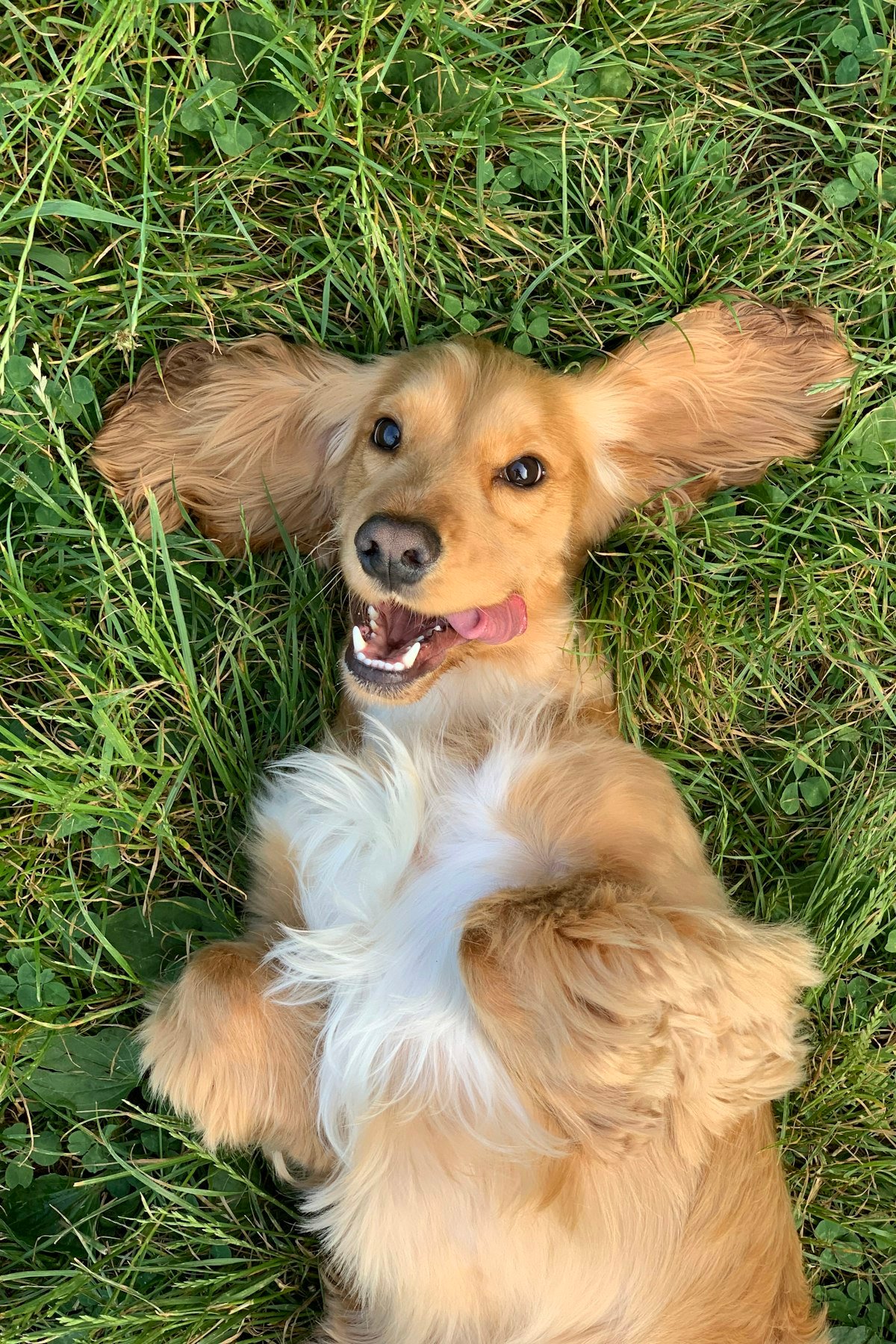
One day you notice it: a little gray around the muzzle, a slower walk up the stairs, a longer nap after the park. Many dogs are considered “seniors” somewhere around 7 years old — earlier for large and giant breeds, later for small ones. Getting older isn’t an illness, but it does change what your dog needs. The good news is that a few simple changes at home can make your older dog’s days more comfortable, safer and still full of fun. Here are 10 practical tips that really help.
1. Schedule Regular Vet Checkups
Older dogs can change quickly, and many health problems are easier to manage when they’re caught early. Many vets recommend checkups for senior dogs about every six months instead of once a year. Ask your vet whether routine blood work or other screening makes sense for your dog’s age and breed. Before each visit, jot down anything new you’ve noticed — changes in appetite, thirst, sleep, weight or bathroom habits — so you don’t forget to mention it. A simple paper record makes this easy — see our log books for pets, money and medication.
2. Give Achy Joints a Supportive Bed
Stiff joints are one of the most common signs of aging. A thin cushion that flattens under your dog’s weight won’t do much, so look for a bed with thick, supportive foam (often sold as “orthopedic” or “memory foam” beds), a low entry height so your dog doesn’t have to climb, and a removable, washable cover. Put it somewhere warm and draft-free, away from cold tile floors.
3. Make Slippery Floors Safer
Hardwood, laminate and tile can feel like an ice rink to an older dog with weaker back legs. Slipping can lead to falls — and to a dog who stops wanting to walk across the room. Lay non-slip rugs or yoga-style mats along the paths your dog uses most, especially near food bowls, beds and doorways. Keeping the fur between paw pads trimmed and nails short also helps with grip.
4. Help With Stairs, Cars and Furniture
Jumping into the car or onto the couch puts a lot of stress on aging hips, elbows and backs. A sturdy dog ramp or pet steps lets your dog keep their favorite spots without the jump. Introduce it slowly with treats on each step, and keep the angle gentle. For stairs inside the house, a baby gate can stop your dog from attempting them alone, and a support harness with a handle lets you give a little lift when needed.
5. Keep Them Moving With Gentle Exercise
Older dogs still need exercise — it keeps muscles strong, joints moving and weight in check. The trick is to go shorter and more often. Two or three easy 15–20 minute walks are usually better than one long hike. Let your dog sniff and set the pace, choose soft surfaces like grass when you can, and avoid the hottest and coldest parts of the day. If your dog is sore the next day, scale back and talk to your vet about what level of activity is right.
6. Watch Their Weight and Diet
Many senior dogs move less but keep eating the same amount, and extra pounds put more pressure on sore joints. Others lose weight or become picky eaters. Weigh your dog regularly and ask your vet whether a senior formula or a different portion size makes sense. Make any food change gradually over about a week to avoid an upset stomach, and keep fresh water easy to reach. Raised bowls can be more comfortable for some dogs with neck or back stiffness.
7. Exercise Their Brain, Too
Mental activity is just as important as physical activity for aging dogs. Puzzle feeders, snuffle mats and simple “find the treat” games give your dog a job to do without a lot of running around. Short training sessions with easy tricks are great too — yes, old dogs can learn new tricks. A few minutes a day of sniffing and problem-solving can help keep your dog engaged and content.
8. Don’t Skip Teeth, Nails and Grooming
Dental disease is very common in older dogs and can make eating painful. Gentle daily brushing helps — see our guide on how to brush your dog’s teeth at home. Senior dogs also tend to walk less on rough pavement, so their nails can grow long faster, which affects posture and grip. Our step-by-step guide to trimming your dog’s nails safely walks you through it. Regular brushing is also a perfect time to feel for new lumps or sore spots.
9. Adjust to Changes in Sight, Hearing and Routine
Many older dogs lose some vision or hearing. Try not to rearrange furniture, keep a night light on in hallways, and approach your dog from the front so you don’t startle them. Hand signals work well for dogs who can’t hear as well as they used to. Older dogs may also need more frequent bathroom breaks — add an extra trip outside before bed and first thing in the morning. A predictable daily routine helps an aging dog feel secure.
10. Give Extra Comfort and Quiet Time
Senior dogs often sleep more and may be less patient with loud households, rowdy young dogs or busy toddlers. Give your dog a quiet resting spot where they won’t be disturbed. Some older dogs also become more sensitive to loud noises — our tips for calming a dog during thunderstorms can help. And never underestimate simple affection: gentle petting, a calm voice and time together mean a lot to an older dog.
When to See a Vet
Not every change is “just old age.” Call your vet if you notice any of the following:
- Drinking or urinating much more than usual, or accidents in the house
- Sudden weight loss or gain, or a loss of appetite
- Limping, trouble getting up, or reluctance to walk
- New lumps, bumps or swelling
- Coughing, heavy breathing or tiring very quickly
- Bad breath, drooling or difficulty chewing
- Confusion, getting “stuck” in corners, pacing at night or changes in sleep
Get help right away for collapse, trouble breathing, a swollen belly or repeated vomiting. Never give your dog human pain medicine — many common ones are dangerous for dogs. Your vet can recommend safe pain relief, joint supplements or other options that fit your dog.
Final Thoughts
Caring for a senior dog is mostly about small, thoughtful changes: a supportive bed, safer floors, shorter but regular walks, brain games, good dental and nail care, and more frequent vet visits. Watch for changes, adjust as your dog’s needs shift, and enjoy this stage — older dogs are often the calmest, sweetest companions you’ll ever have.
Related: How to Brush Your Dog’s Teeth at Home (and Why It Matters) · Dog Separation Anxiety: 9 Gentle Ways to Help Your Dog Stay Calm
Keep feeding, walks, vet visits, vaccines, medication, weight and grooming in one simple daily tracker. 120-page paperback, 8.5 x 11 in.
🛒 Paperback on Amazon →⬇ Printable PDFSee all our books