

This post contains affiliate links. As an Amazon Associate, we earn from qualifying purchases — at no extra cost to you. Read our disclosure.
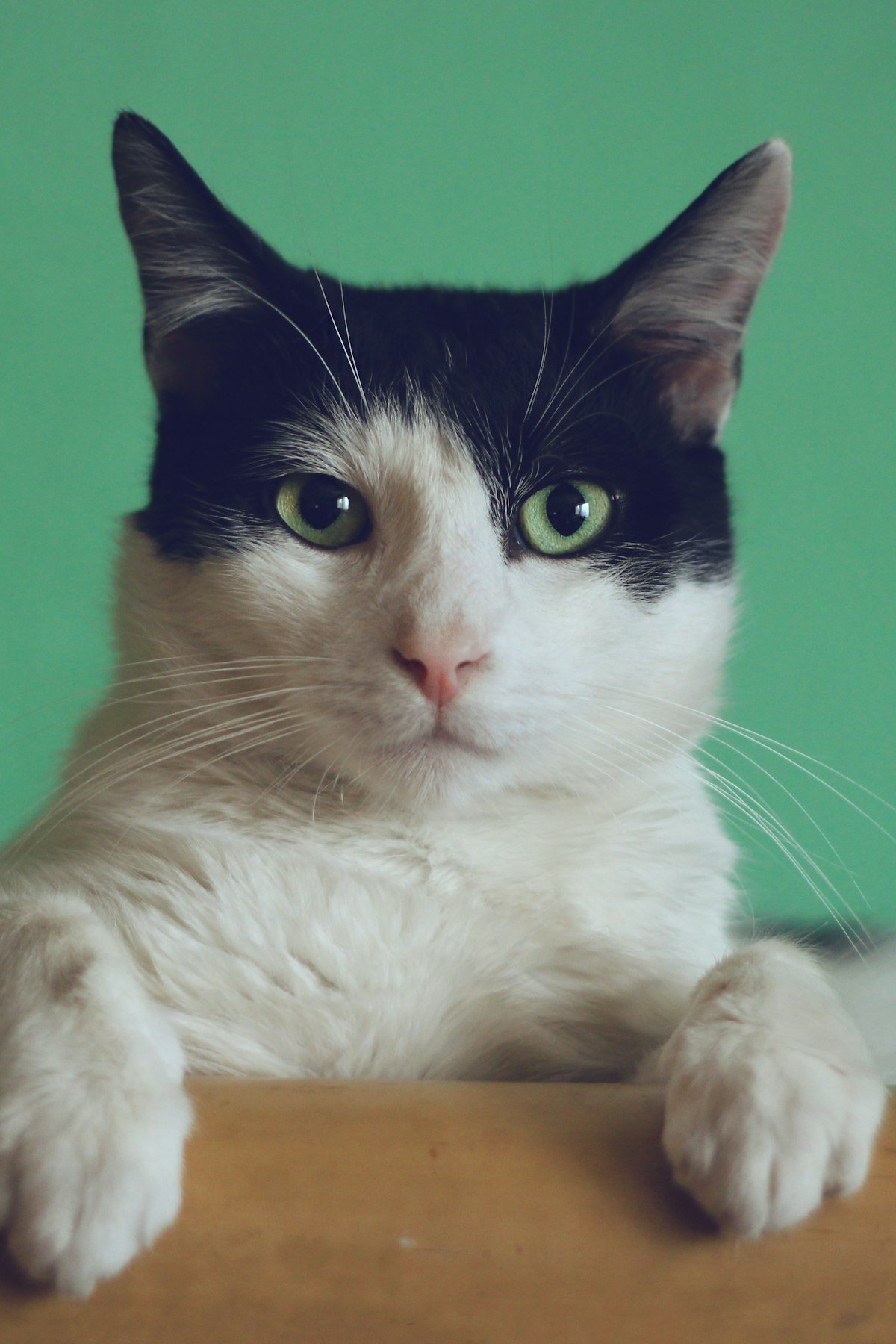
If you rarely see your cat at the water bowl, you’re not imagining it. Cats descend from desert animals that got most of their moisture from prey, so many of them have a naturally low thirst drive. That’s fine in the wild, but a house cat eating mostly dry food can end up drinking less than their body would like. The good news: a few simple changes to bowls, placement and diet can make a real difference. Here are 8 easy, practical ways to help your cat drink more water — plus the warning signs that mean it’s time to call the vet.
Why Hydration Matters So Much for Cats
Water supports almost everything in your cat’s body, from digestion to temperature control. Vets often emphasize hydration for cats in particular because good water intake helps keep urine diluted, which supports a healthy urinary tract and kidneys — two areas where cats are known to have problems, especially as they age. You don’t need to force your cat to drink; the goal is simply to make water more appealing and easier to get.
1. Try a Cat Water Fountain
Many cats prefer moving water. A gently flowing fountain catches their attention, stays cooler and fresher-tasting than a still bowl, and often gets cats drinking more often throughout the day. Look for one that’s easy to take apart and wash, runs quietly, and uses replaceable filters. Introduce it next to your cat’s usual bowl at first, so they can explore it without pressure — some cats need a few days to trust the new “noise.”
2. Use a Wide, Shallow Bowl
Some cats dislike deep, narrow bowls that brush against their whiskers or make it hard to see around them while drinking. A wide, shallow bowl made of ceramic, glass or stainless steel is often more comfortable. These materials are also easier to keep clean than plastic, which can scratch and hold onto odors that put picky cats off.
3. Put Water Bowls in Several Places
Cats are more likely to drink when water is right where they already spend time. Try placing two or three bowls around your home — near a favorite window perch, in a quiet bedroom, and on each floor of a multi-level house. In multi-cat homes, extra water stations also mean a shy cat doesn’t have to pass a bossy housemate to get a drink.
4. Keep Water Away From Food and the Litter Box
Many cats prefer their water separate from their food, and almost all of them dislike drinking near the litter box. Move the water bowl at least a few feet from the food dish, and well away from the bathroom area. If your litter box tends to smell, our guide to the best cat litter for odor control can help keep the whole space fresher.
5. Add More Wet Food to Their Diet
This is one of the most effective changes you can make. Wet (canned or pouch) cat food is mostly water, while dry kibble contains very little, so cats eating wet food take in far more moisture with every meal. You don’t have to switch completely — even adding one wet meal a day helps. Make any diet change gradually over a week or so, and check with your vet if your cat has a special diet or health condition.
6. Refresh Water Daily and Wash Bowls Often
Cats have a sharp sense of smell, and water that’s been sitting out collecting dust, hair or a film of saliva is far less tempting. Empty and refill bowls at least once a day, and wash them with hot, soapy water every day or two. If you use a fountain, clean it regularly and replace the filter as the manufacturer recommends — a dirty fountain can quickly become less appealing than a plain bowl.
7. Make Water a Little More Interesting
Small tricks can spark curiosity. Some cats love batting at an ice cube floating in their bowl, and others prefer water that’s slightly cooler or at room temperature. You can also stir a spoonful of water into wet food to boost moisture. If you ever try flavoring water, use only plain, unseasoned options made for pets — many human broths contain onion, garlic or a lot of salt, which aren’t safe for cats.
8. Keep an Eye on How Much Your Cat Drinks
You don’t need to measure every sip, but it helps to know what’s normal for your cat. Notice how often you refill the bowl and how large the clumps in the litter box usually are. A sudden change in either direction — drinking much less or much more than usual — is worth paying attention to. Keeping notes alongside other daily care makes patterns easier to spot; our indoor cat essentials guide covers the full setup that keeps an indoor cat healthy and comfortable.
Signs of Dehydration and When to See a Vet
Contact your vet promptly if your cat shows signs such as low energy, loss of appetite, dry or tacky gums, sunken-looking eyes, constipation, or vomiting or diarrhea. Just as important: if your cat suddenly starts drinking a lot more and urinating more, don’t assume it’s a good thing — increased thirst can be an early sign of conditions like kidney disease, diabetes or thyroid problems, especially in older cats. And if a cat (particularly a male) strains in the litter box or produces little or no urine, treat it as an emergency and call your vet or an emergency clinic right away.
Frequently Asked Questions
Is it normal for my cat to rarely drink water?
It can be, especially for cats on a mostly wet-food diet, since they get much of their water from meals. Cats on dry food usually need to drink more from a bowl. If your cat seems healthy, active and uses the litter box normally, low visible drinking isn’t automatically a problem — but ask your vet at your next checkup if you’re unsure.
Are cat water fountains worth it?
For many cats, yes — moving water often encourages more frequent drinking. But every cat is different. If yours ignores the fountain after a week or two, keep a wide, fresh bowl available too and focus on adding wet food, which works regardless of drinking habits.
Why does my cat drink from the faucet instead of the bowl?
Running water seems fresher and more natural to many cats, and the sink may be in a quieter spot. That preference is a strong hint that a fountain could work well for your cat. It’s also a sign to check that the regular bowl is clean, wide enough and away from food and litter.
Final Thoughts
Helping your cat drink more water doesn’t require anything complicated: offer moving or fresh water in wide bowls, place several water stations away from food and litter, add wet food to the menu, and keep everything clean. Watch for any big change in drinking habits, and let your vet know if something seems off. Small, steady habits like these go a long way toward a healthy, happy cat.
Related: Indoor Cat Essentials: 10 Things Every Indoor Cat Needs · Cat Grooming at Home: 7 Essential Tools
Keep feeding, litter box, vet visits, vaccines, medication, weight and grooming in one simple daily tracker. 120-page paperback, 8.5 x 11 in.
🛒 Paperback on Amazon →⬇ Printable PDFSee all our books