

This post contains affiliate links. As an Amazon Associate, we earn from qualifying purchases — at no extra cost to you. Read our disclosure.
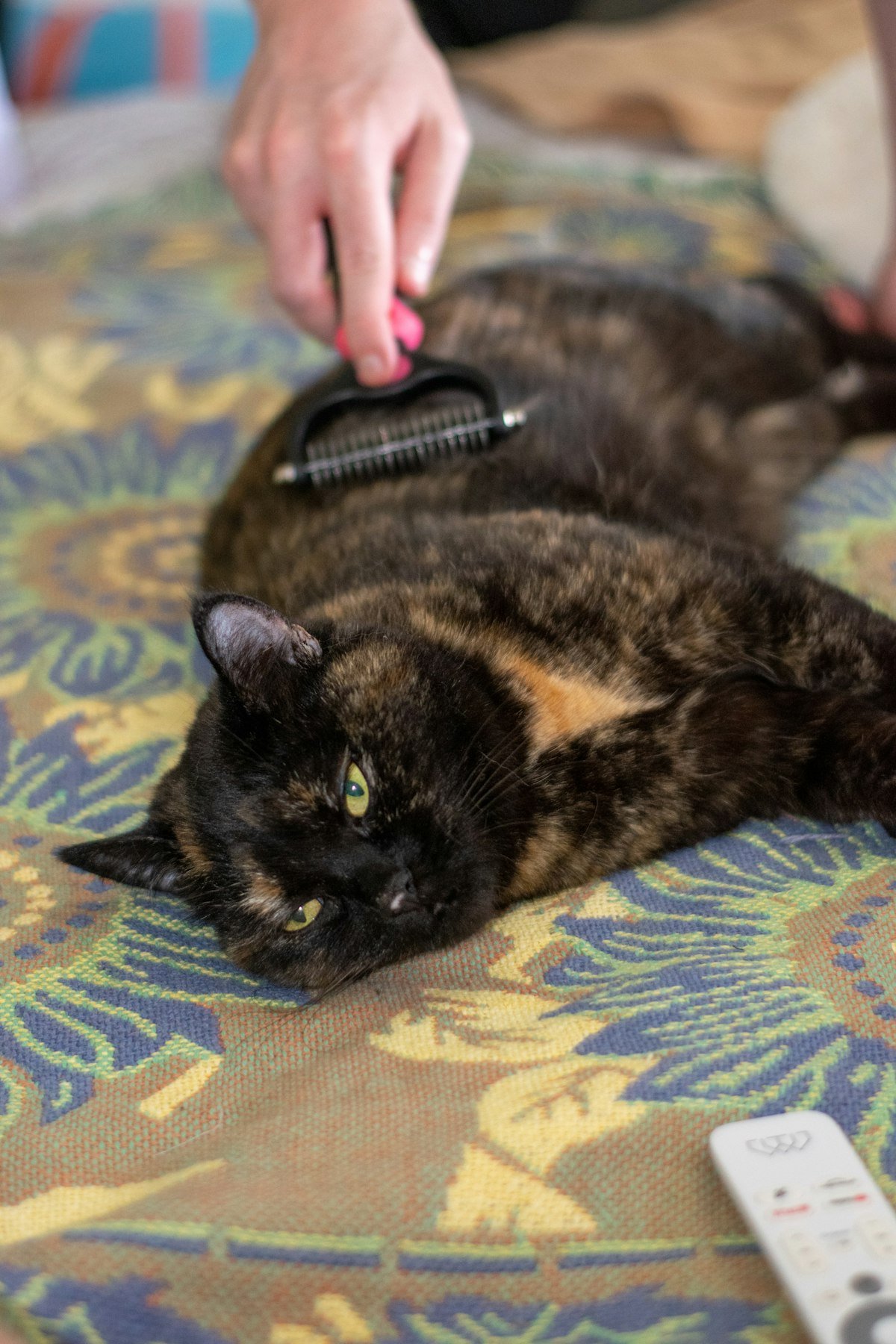
Cats are famous for keeping themselves clean — they can spend hours a day grooming. So why should you help? Because regular grooming reduces hairballs, prevents painful mats, cuts down shedding around your home, and gives you a chance to spot skin problems early. Long-haired cats, overweight cats, and senior cats especially need your help, since they can’t always reach every spot themselves.
Here are the seven tools that make cat grooming at home simple.
1. Slicker Brush
A slicker brush with fine, flexible pins removes loose hair and small tangles. Choose a small head size made for cats, with protective tips on the pins, and use very light pressure — cat skin is thin and sensitive.
2. Steel Comb
A metal comb with wide and narrow teeth is a must for long-haired cats like Persians and Maine Coons. Use it after brushing to find any hidden knots, especially behind the ears, under the legs, and around the belly.
3. Steam (Spray) Brush
Steam brushes have become very popular with cat owners. A small water tank releases a fine mist while you brush, which helps reduce static so loose hair sticks to the brush instead of flying around the room. Many cats that dislike regular brushing tolerate them well, and they work nicely on short- and medium-haired cats.
4. Grooming Glove
For nervous cats, a rubber grooming glove is the gentlest option. It feels like petting, so many cats enjoy it — while loose hair collects on the glove.
5. Cat Nail Clippers
Indoor cats usually need their nails trimmed every 2–4 weeks. Use clippers designed for cats and only cut the clear tip — avoid the pink area (the “quick”), which contains nerves and blood vessels. If you’re unsure, ask your vet to show you once.
6. Pet Grooming Wipes
Most cats never need a full bath. Unscented, pet-safe grooming wipes are perfect for quick clean-ups of paws, faces, or the back end — especially for older cats who have trouble cleaning themselves.
7. Self-Groomer (Wall Corner Brush)
A corner brush mounts on a wall or furniture edge so your cat can rub against it whenever it wants. It’s a simple, low-effort way to collect extra loose hair — and most cats love it.
How Often Should You Groom Your Cat?
| Cat type | Brushing | Nail trim |
|---|---|---|
| Short-haired | 1× per week | Every 2–4 weeks |
| Long-haired | Daily or every other day | Every 2–4 weeks |
| Senior / overweight | 2–3× per week | Every 2–3 weeks |
Tips for Cats Who Hate Grooming
- Keep sessions short — 2–5 minutes is fine. Stop before your cat gets annoyed.
- Pick the right moment — when your cat is relaxed or sleepy, not playful or hungry.
- Start with favorite spots — usually the cheeks, chin, and back.
- Reward every session with a treat so grooming becomes a positive habit.
- Never pull on mats — large or tight mats should be removed by a groomer or vet.
When to See a Vet
Contact your vet if you notice bald patches, scabs, redness, flaky skin, frequent hairballs, or if your cat suddenly stops grooming itself. A change in grooming behavior can be an early sign of health problems.
Final Thoughts
You don’t need a full grooming kit to keep your cat healthy and comfortable. A good brush, a comb for long hair, nail clippers, and a few minutes a week will go a long way — fewer hairballs for your cat, and less hair on your furniture for you.
Have a dog too? Read: Best Dog Grooming Brushes: How to Choose the Right Brush
Related: Best Cat Litter for Odor Control · Indoor Cat Essentials: 10 Things Every Indoor Cat Needs


