

This post contains affiliate links. As an Amazon Associate, we earn from qualifying purchases — at no extra cost to you. Read our disclosure.
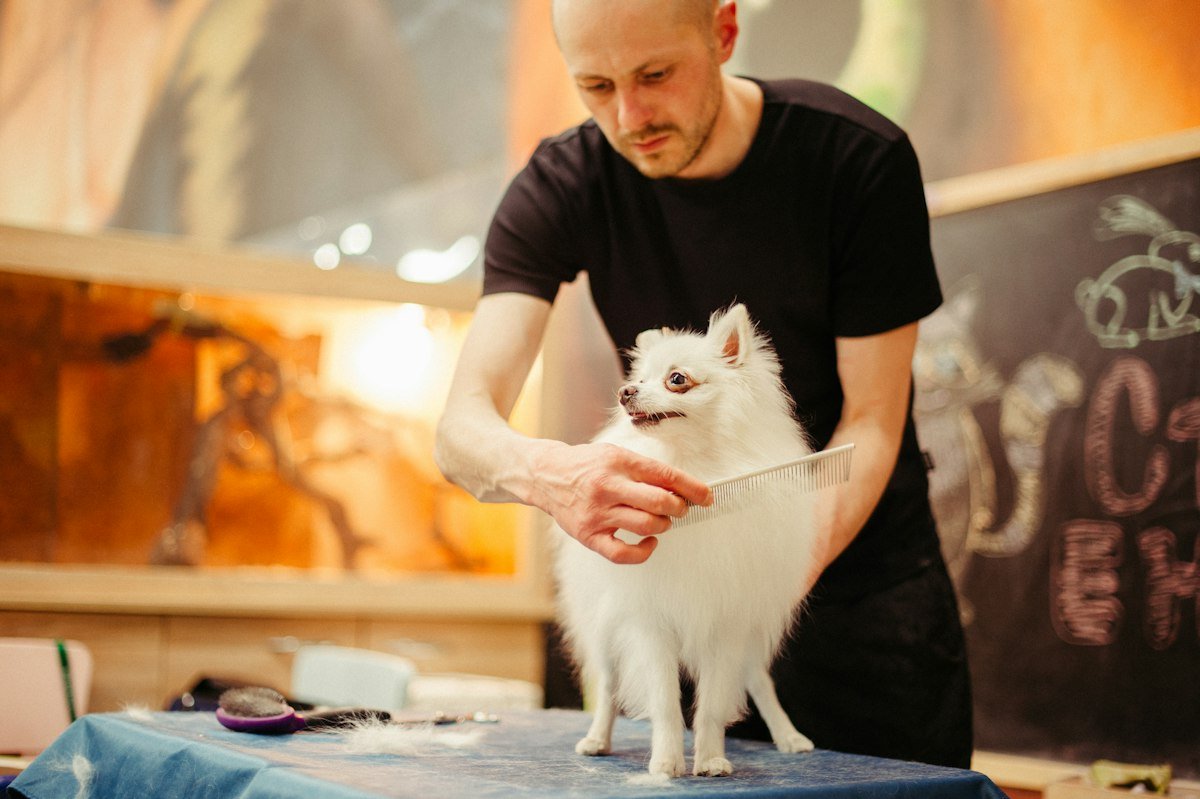
Buying a dog brush sounds simple — until you see hundreds of options. Slicker brushes, pin brushes, deshedding tools, rubber curry brushes… The truth is that the right brush depends almost entirely on your dog’s coat type. Using the wrong one can miss the undercoat completely, or even irritate your dog’s skin.
This guide breaks down the six main types of dog brushes, which dogs they’re best for, and what features actually matter.
Quick Guide: Which Brush for Which Coat?
| Coat type | Example breeds | Best brush |
|---|---|---|
| Short & smooth | Beagle, Boxer, Pug, Labrador | Rubber curry brush, bristle brush |
| Double coat (heavy shedding) | Husky, German Shepherd, Golden Retriever | Undercoat rake, deshedding tool |
| Long & silky | Shih Tzu, Yorkshire Terrier, Maltese | Pin brush + steel comb |
| Curly / wavy | Poodle, Doodles, Bichon Frise | Slicker brush + comb |
| Wiry | Schnauzer, Terriers | Slicker brush, stripping comb |
1. Slicker Brush — The All-Rounder
A slicker brush has fine, short wires packed closely together on a flat or slightly curved head. It’s excellent for removing loose hair, small tangles and mats, especially on medium-to-long, curly and wiry coats.
- Best for: Doodles, Poodles, Cocker Spaniels, terriers
- Look for: pins with protective tips, a comfortable handle, and a self-cleaning button that pushes the hair off in one click
- Tip: Use light pressure — pressing too hard can cause “brush burn” on the skin
2. Deshedding Tool — For Heavy Shedders
Deshedding tools have a fine-toothed steel edge that reaches through the top coat and pulls out loose undercoat hair — the hair that ends up on your sofa. Used once or twice a week, they can dramatically reduce shedding around the house.
- Best for: Huskies, German Shepherds, Golden Retrievers, Labradors
- Look for: the right blade width for your dog’s size and a hair-release button
- Avoid: using it on curly or silky single coats — it’s not designed for them
3. Undercoat Rake — Deep Cleaning for Thick Coats
An undercoat rake looks like a small garden rake with one or two rows of long, rounded teeth. It’s gentler than a deshedding blade and great during seasonal “coat blowing” in spring and autumn.
4. Pin Brush — For Long, Silky Coats
Pin brushes look like a human hairbrush, with widely spaced pins (often with rubber tips). They’re ideal for finishing long coats and keeping them smooth, but they won’t remove much undercoat.
5. Rubber Curry Brush — For Short Coats & Bath Time
Rubber curry brushes (or grooming gloves) have soft rubber nubs that loosen dead hair and massage the skin. Most dogs love them. They’re perfect for short-coated breeds and for working shampoo into the coat during baths.
6. Steam / Spray Brush — A Newer Option
Steam (or mist) brushes have a small water tank that releases a fine mist while you brush. The light moisture helps reduce static and flyaway hair, so loose fur sticks to the brush instead of floating around the room. They’re especially popular with cat owners and owners of short-to-medium-coated dogs (cat owners, see our cat grooming tools guide).
What to Look for Before You Buy
- Match the brush to the coat — this matters more than brand or price.
- Size: a small head for small dogs and faces, a wider head for large dogs.
- Comfort: a non-slip, ergonomic handle makes longer sessions easier.
- Easy cleaning: self-cleaning buttons save a lot of time.
- Skin safety: look for rounded or coated tips, especially for sensitive dogs.
How Often Should You Brush Your Dog?
- Short coats: about once a week
- Double coats: 2–3 times a week, daily during shedding season
- Long, curly or silky coats: daily or every other day to prevent mats
If your dog has painful mats, skin redness or hot spots, it’s best to visit a professional groomer or your vet instead of brushing them out at home.
Dog Brush FAQ
Can I use a human hairbrush on my dog?
In a pinch, a soft human brush can smooth a short coat, but it won’t reach the undercoat or remove tangles well. Dog brushes are designed for different coat types and have tips that are gentler on canine skin, so they do a much better job.
Should I brush my dog before or after a bath?
Both. Brush before the bath to remove loose hair and small tangles — water makes mats tighter. Then brush again once your dog is fully dry to catch the hair the bath loosened. Our step-by-step dog bathing guide covers the whole routine.
Will regular brushing reduce shedding?
Yes — it’s the single most effective way to control loose hair at home, because every hair caught in the brush is one that doesn’t land on your floor. For more ideas, see how to reduce dog shedding at home.
What if my dog hates being brushed?
Start with a soft rubber brush or grooming glove, keep sessions to a minute or two, and pair every session with treats. Brush the spots your dog enjoys first, and stop before they get restless. Over a few weeks, most dogs learn to relax.
Final Thoughts
Most dog owners only need one or two tools: a main brush that suits the coat (slicker, pin or rubber) and, for heavy shedders, a deshedding tool or undercoat rake. Choose by coat type first, then by comfort and ease of cleaning — and your dog (and your sofa) will thank you.


